
Who is Responsible
for Our Students?
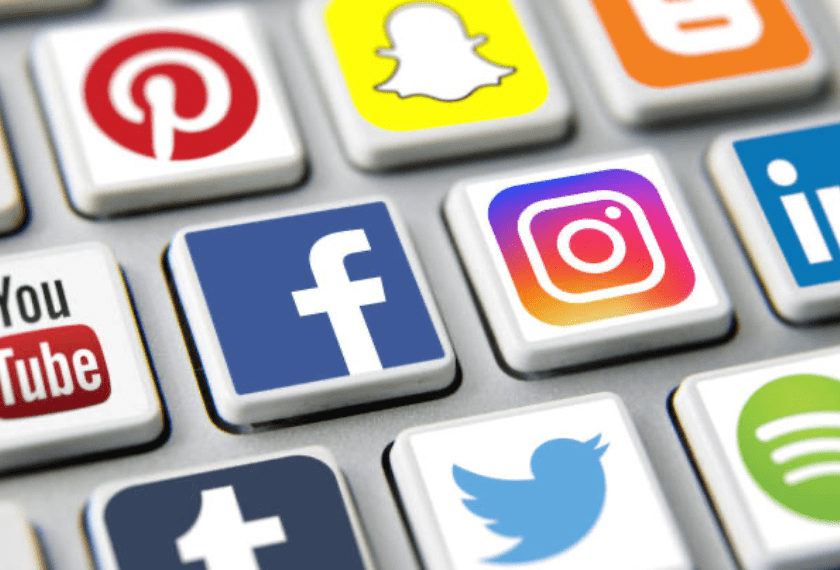
In recent news, public schools across the nation have taken a bold stand against the giants of the social media world. Frustrated with the negative impact social media platforms have had on students’ mental health, academic performance, and overall well-being, these schools have decided to file lawsuits against companies like Facebook, Twitter, and Instagram. In this blog post, we’ll explore the reasons behind these lawsuits and consider whether the responsibility lies with social media platforms or other parties.
The Effects of Social Media on Students
It’s no secret that social media has become an integral part of our daily lives, especially for teenagers. While these platforms offer numerous benefits, such as connecting with friends and staying informed, they also have a dark side. Studies have shown that excessive use of social media can lead to increased rates of anxiety, depression, and even addiction. Additionally, cyberbullying and the pressure to maintain a perfect online persona have further contributed to deteriorating mental health among students.
Academically, social media has also been blamed for distracting students from their studies and promoting procrastination. With smartphones constantly at their fingertips, it’s all too easy for students to lose focus and waste valuable study time browsing through their feeds.
The Lawsuits: Seeking Accountability
Public schools have had enough. By suing social media companies, they hope to hold these platforms accountable for their role in the worsening mental health and academic struggles of students. The lawsuits argue that these companies have designed their platforms to be addictive, capitalizing on teenagers’ vulnerability, and have failed to implement proper measures to protect their users from the harmful effects.
But is it fair to place the entire blame on social media companies?
Shared Responsibility
While it’s true that social media platforms play a significant role in shaping our students’ lives, it’s important to recognize that responsibility should be shared among various parties.
Parents, for instance, should monitor and limit their children’s screen time and foster open communication about the potential dangers of social media. Schools can also play a vital role in educating students about responsible social media use, digital citizenship, and providing resources for mental health support.
Furthermore, students themselves must take ownership of their social media habits and learn to balance their online and offline lives. By becoming aware of the potential pitfalls of excessive social media use, they can make more informed decisions about how to spend their time.
Conclusion
The battle between public schools and social media companies is a complex issue that highlights the need for a multi-faceted approach to addressing the negative impact of social media on students. Rather than solely pointing fingers at social media platforms, it is crucial that parents, schools, and students work together to promote a healthy balance between online and offline experiences. Only through shared responsibility can we hope to see real change and create a better future for our students.
Helpful Links:
- Chen, Grace. “The Difficult Line between Social Media and Public Schools.” Public School Review, Public School Review, 18 May 2022, https://www.publicschoolreview.com/blog/the-difficult-line-between-social-media-and-public-schools.
- “Social Media and School Crises.” National Association of School Psychologists (NASP), https://www.nasponline.org/resources-and-publications/resources-and-podcasts/school-safety-and-crisis/media-and-social-media-resources/social-media-and-school-crises.
- Will, Madeline. “Teachers, Politics, and Social Media: A Volatile Mix.” Education Week, Education Week, 8 Dec. 2020, https://www.edweek.org/technology/teachers-politics-and-social-media-a-volatile-mix/2020/03.
 Sophia's Mindful Stitches