What the Science Says
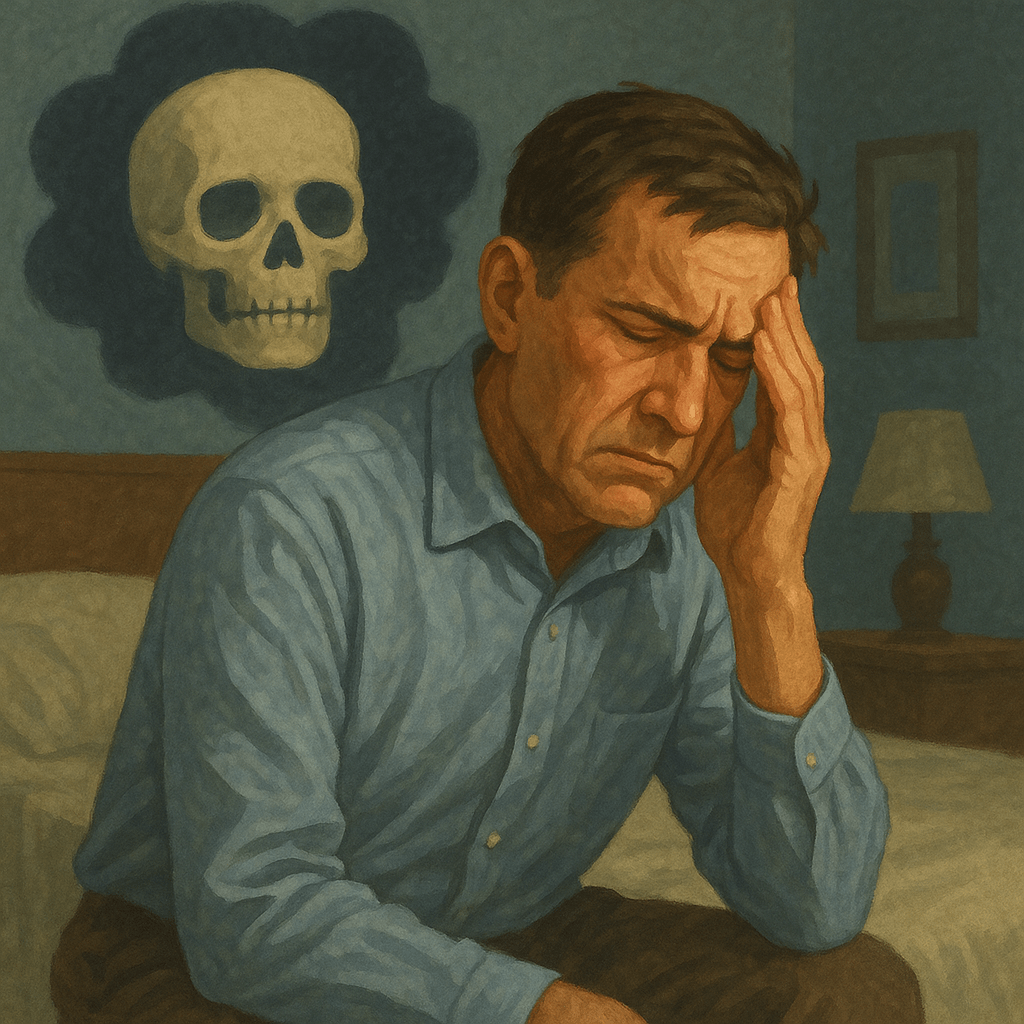
Stress is a familiar part of modern life—deadlines, financial concerns, family pressures, and even the daily news can all contribute. But what happens when stress becomes chronic? Beyond the emotional toll, research shows that long-term stress can have a profound impact on your physical health—and even your lifespan.
Understanding Stress and the Body
Stress triggers the body’s “fight or flight” response, releasing hormones like cortisol and adrenaline. These are helpful in short bursts—keeping you alert during a crisis or helping you power through a challenge. But when stress is constant, the body remains in a heightened state of alert. Over time, this can cause wear and tear on nearly every system in the body.
Chronic Stress and Disease Risk
Several large-scale studies have shown that chronic stress is associated with a higher risk of developing serious health conditions, including:
• Cardiovascular disease: Prolonged stress increases heart rate and blood pressure, contributing to inflammation and damage to the arteries. This raises the risk for heart attacks and strokes.
• Metabolic disorders: Chronic stress is linked to insulin resistance and weight gain, particularly around the abdomen, increasing the risk for type 2 diabetes.
• Immune suppression: Elevated cortisol levels over time can impair immune function, making the body more vulnerable to infections and slowing down recovery from illness.
• Cognitive decline: Stress can affect memory and increase the risk of dementia in older adults.
• Mental health conditions: Chronic stress is closely tied to depression, anxiety, and substance use disorders, all of which can contribute indirectly to higher mortality.
Not All Stress Is Equal
Interestingly, how people perceive and manage stress matters. Some individuals who experience high stress but believe it doesn’t harm their health may fare better than those who feel helpless or overwhelmed by it. This underscores the importance of stress resilience and coping strategies.
What You Can Do
While we can’t eliminate all sources of stress, we can change how we respond to it. Strategies that have been shown to reduce the impact of stress on health include:
• Regular physical activity: Exercise helps regulate cortisol and improves mood and heart health.
• Mindfulness and meditation: Practices like deep breathing, yoga, and guided meditation have measurable effects on reducing stress hormones.
• Social support: Strong relationships buffer against stress and are associated with lower mortality rates.
• Sleep: Poor sleep both worsens stress and increases health risks; prioritizing restful sleep is essential.
• Therapy and counseling: Talking to a professional can help with chronic stress, anxiety, or trauma.
Final Thoughts
Stress is more than just a mental burden—it’s a significant health risk. But the good news is that with awareness, lifestyle changes, and support, it’s possible to reduce its impact. Managing stress isn’t just about feeling better—it’s about living longer and healthier.
 Sophia's Mindful Stitches