Girl Dads, Boy Dads, and the Mental Health Crisis We Can’t Ignore
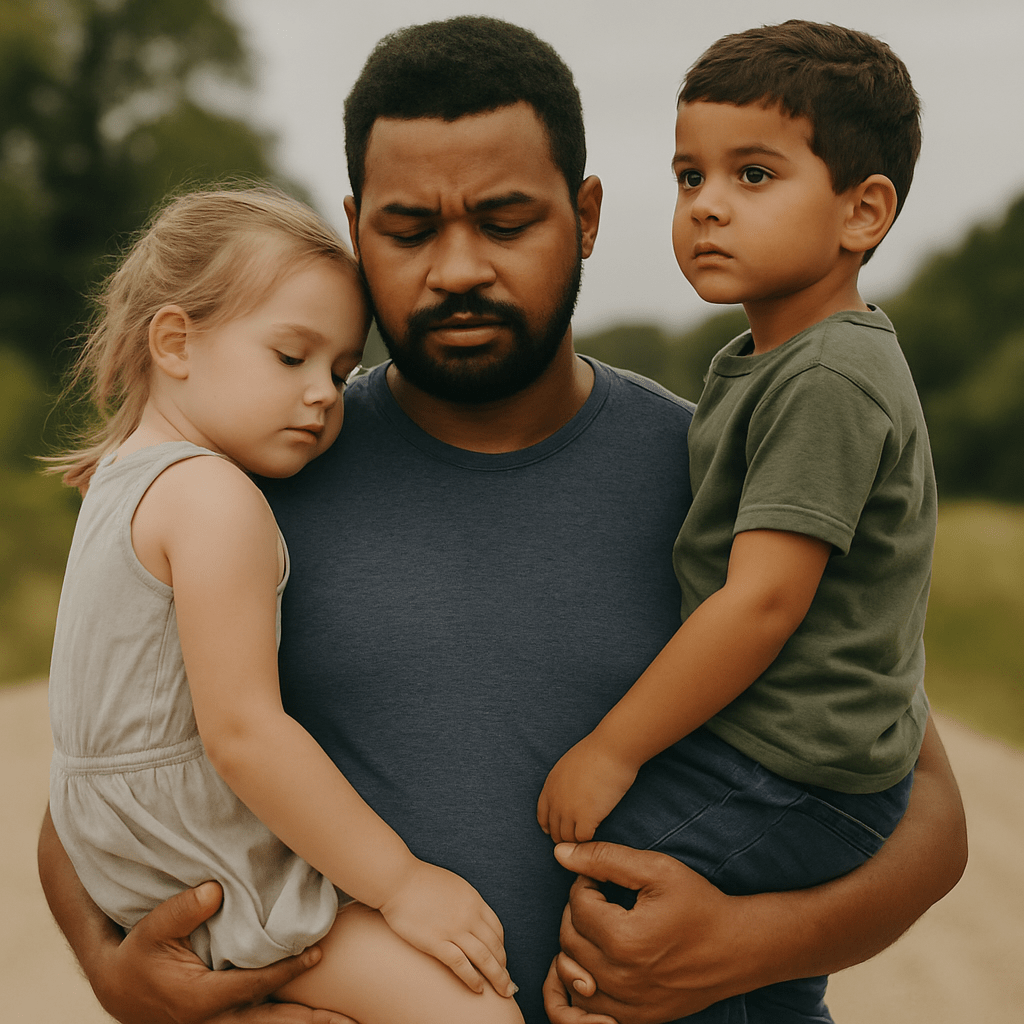
Fatherhood is one of the most profound roles a man can embrace. Yet, too often, its impact goes unrecognized—not only on children but on fathers themselves. As we celebrate dads for their strength, wisdom, and sacrifice, it’s important to also pause and examine the unique ways fatherhood shapes men, how it differs between raising sons and daughters, and how rising rates of male depression signal a call for deeper understanding and support.
⸻
The Power and Presence of a Father
Fathers are foundational. They model integrity, resilience, and emotional regulation—lessons that children often carry for a lifetime. A father’s presence (or absence) influences how children view themselves, form relationships, and face the world.
• For boys, fathers often serve as their first example of manhood—teaching what strength looks like not only physically, but emotionally.
• For girls, fathers help shape self-worth and boundaries—showing by example what love, respect, and protection look like.
⸻
Girl Dads vs. Boy Dads: Different, But Deeply Connected
The relationship dynamics between dads and their kids are rich and varied. “Girl dads” often speak of a softer side being drawn out—one that welcomes vulnerability and emotional openness. There’s a certain tenderness in the way many fathers interact with their daughters, learning to braid hair, host tea parties, and listen closely to tiny (but big) feelings.
“Boy dads,” on the other hand, often feel the pressure to mold their sons into confident, capable men. But modern boy dads are increasingly challenging the outdated notion that masculinity means emotional restraint. They’re showing their sons that strength and sensitivity aren’t opposites—they’re partners.
Each role is different, but equally vital. What unites both is the emotional labor involved—something society rarely acknowledges.
⸻
The Hidden Toll: Rising Rates of Male Depression
According to recent studies, rates of depression and anxiety among men—especially middle-aged fathers—are climbing. This isn’t just about chemical imbalances; it’s about unspoken burdens.
Men are taught to be providers, protectors, problem-solvers. But in carrying that weight, many forget they are also human. The pressure to remain stoic can be isolating. Many fathers silently juggle work stress, financial obligations, emotional distance in their relationships, and feelings of inadequacy as parents.
Despite the increasing awareness of mental health, stigma still surrounds male vulnerability. Many dads suffer in silence, believing that expressing their struggles makes them weak.
⸻
Why This Matters
We can’t continue to celebrate fathers without also supporting them.
• Let’s encourage open conversations—among fathers, between partners, and with kids—about emotions, therapy, and support.
• Let’s teach our sons and daughters that strength includes softness, and that even superheroes need rest.
• And let’s remind fathers everywhere: you are allowed to feel, to ask for help, and to take care of yourself.
Because when dads are supported, families thrive. And when fathers are mentally well, their presence becomes not just a role—but a legacy.
⸻
To every dad: we see you, we need you, and we’re grateful for all that you carry. Happy Father’s Day—not just today, but every day.
 Sophia's Mindful Stitches